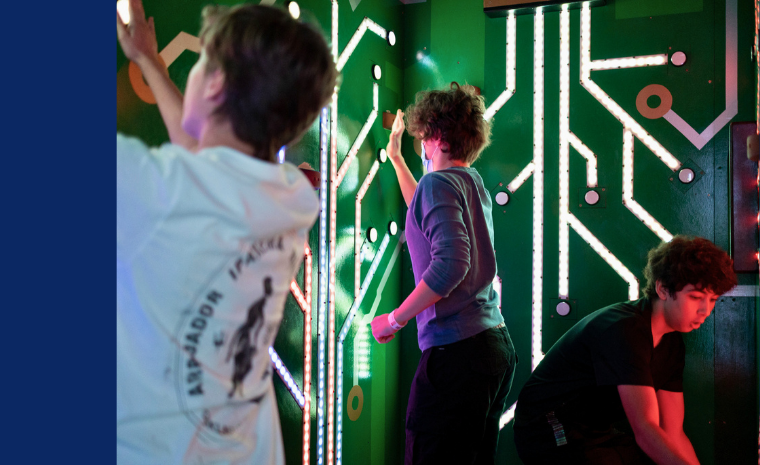
Step into the role of a game designer and learn how to build puzzles, stories, and immersive experiences that challenge players without leaving them completely stumped.
What makes an escape room puzzle frustratingly difficult instead of satisfyingly challenging? How do you turn a handful of clues into a story that keeps players guessing?
Start by tackling ciphers, locks, logic puzzles, and other brain-bending challenges, then break them down to discover what makes a puzzle work. From there, create a story and setting that give your escape room a purpose, and design a sequence of clues that moves players through the experience. Build prototypes, test them with classmates, and use their feedback to adjust the difficulty, timing, and flow. Finally, work with your team to create a complete escape room and host players from outside the class. Can you design a room they’ll actually escape?
What you'll do
Crack the Code
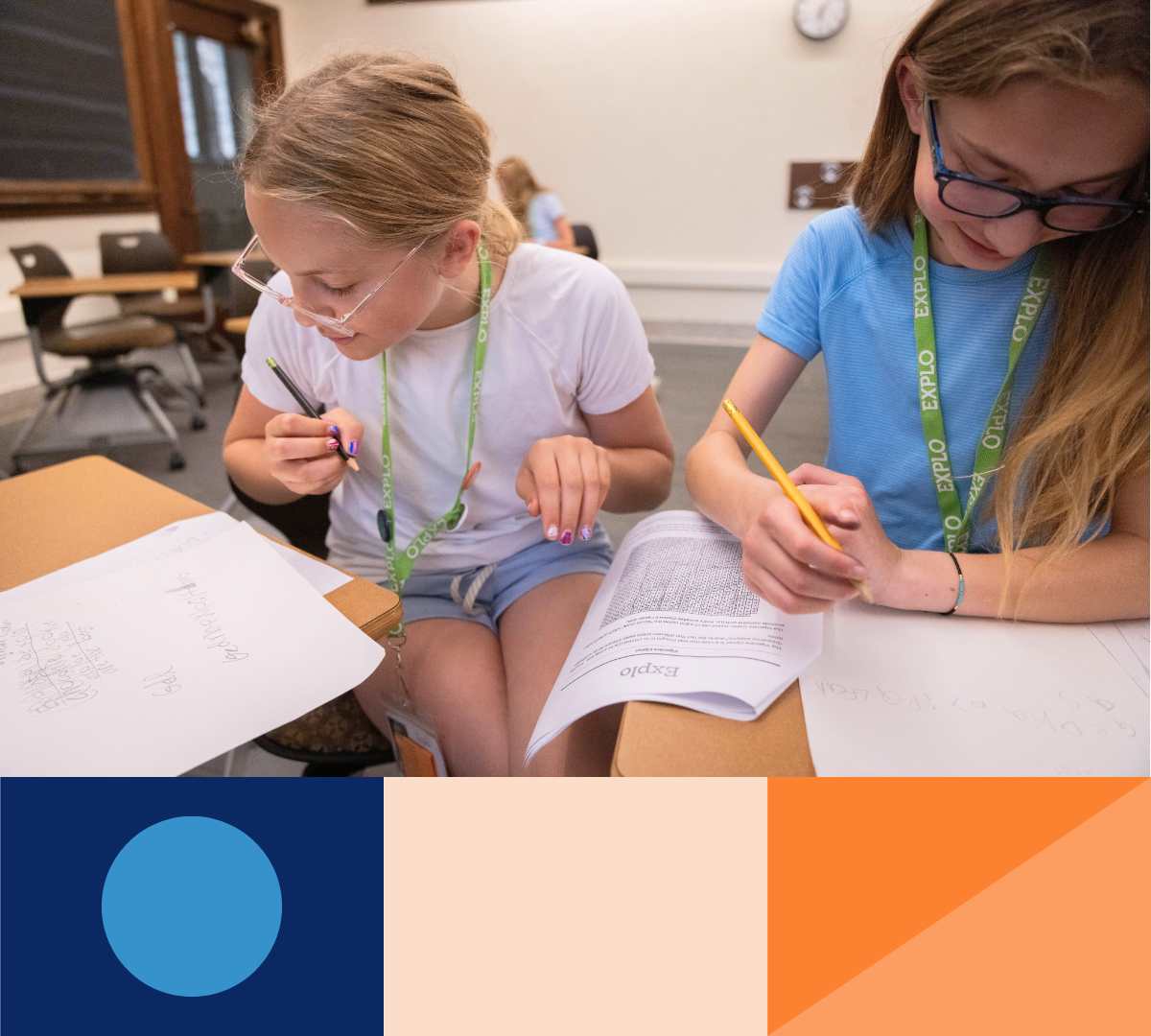
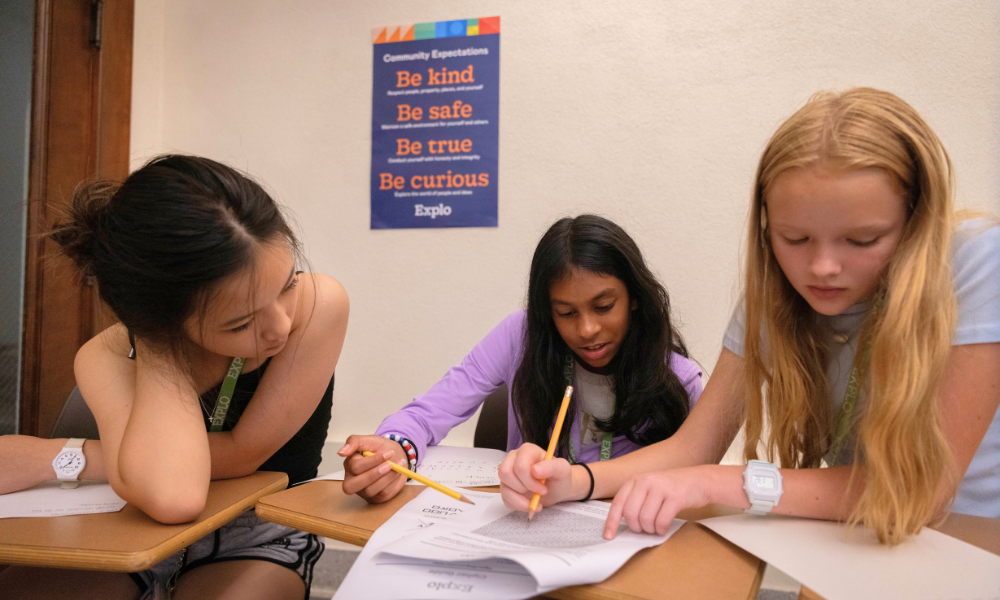
Take on ciphers, locks, logic puzzles, and other challenges, then dissect them to uncover what makes a puzzle clever, challenging, and solvable.
Build the Story
Create a setting and narrative that pull players into your world. Design clues and puzzles that connect to the story and give players a reason to keep searching.
Tweak, Test, Repeat
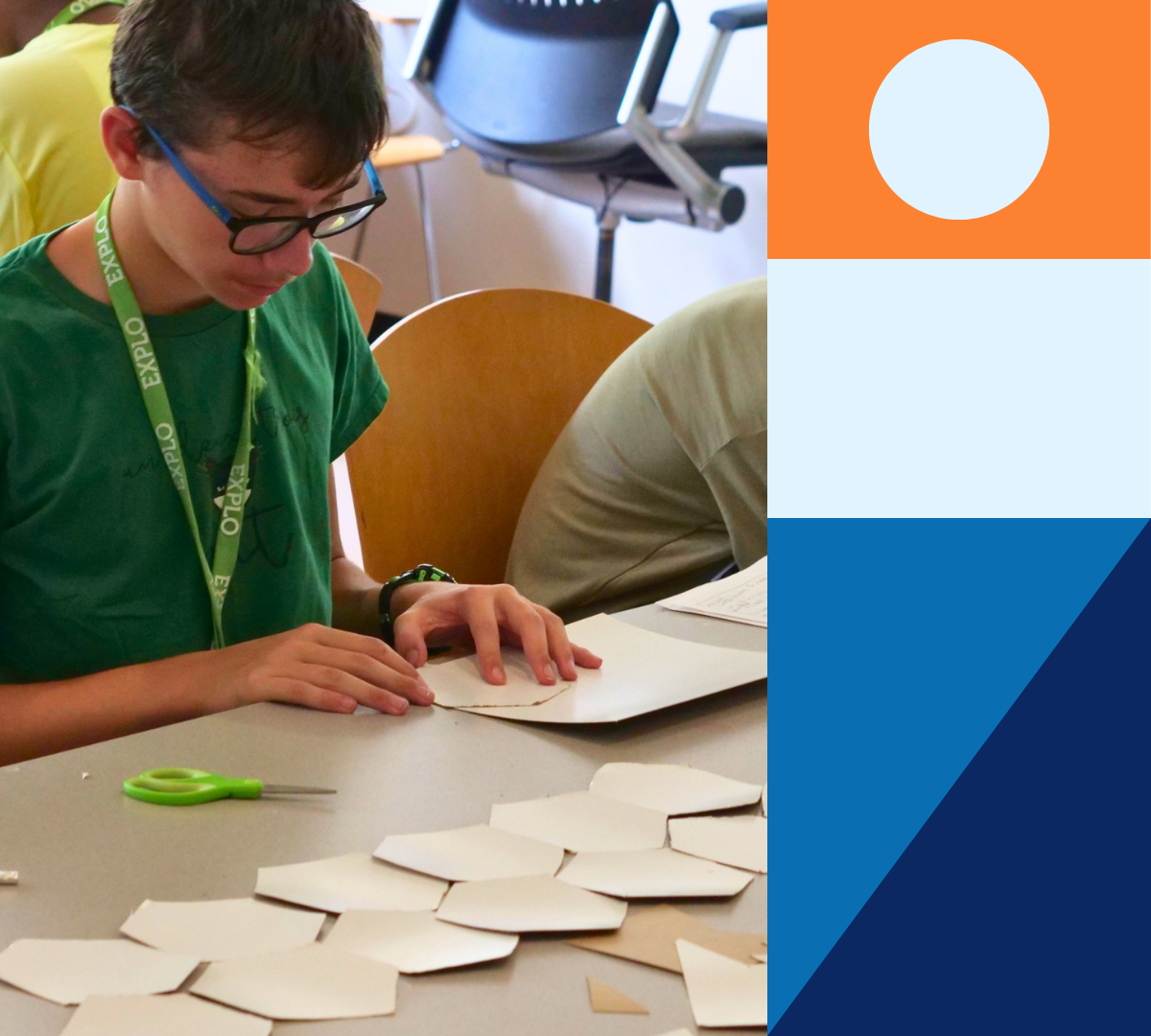
Build puzzle sequences and put them in front of real players. Watch what works, spot where players get stuck, and revise your designs to improve difficulty and flow.
Build the Ultimate Escape Room
Bring everything together in a team-designed escape room. Set the scene, hide the clues, and host players from outside the class to see if they can crack your creation.